5 Common AC Problems in Huntsville and How to Fix Them

AC problems

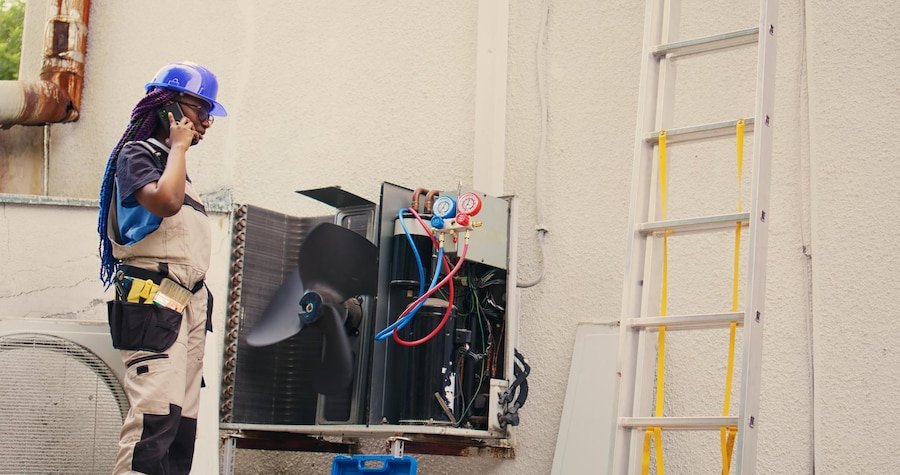
AC problemsDoes your air conditioner struggle to keep up with Alabama’s summer heat? You’re not alone. Huntsville homeowners face unique cooling challenges thanks to our humid climate and scorching temperatures. The good news? Most AC problems have straightforward solutions when you know what to look for.

Let’s walk through the most common air conditioning issues we see in Huntsville homes and what you can do about them.

Weak Airflow Throughout Your Home

When your AC is running but barely any air comes through the vents, you’ve got an airflow problem. This usually points to a clogged air filter or blocked return vents.

Start by checking your air filter. In Huntsville’s dusty conditions, filters get dirty fast—especially during peak cooling season. Replace disposable filters every 30-60 days, or clean reusable ones monthly. Also make sure furniture, curtains, or boxes aren’t blocking your vents and return grilles.

If airflow is still weak after these fixes, your blower motor or ductwork might need professional attention.

Your AC Won’t Turn On at All

Nothing’s more frustrating than a dead AC unit on a 95-degree day. Before you panic, check three things: your thermostat settings, your circuit breaker, and your outdoor disconnect switch.

Make sure your thermostat is set to “cool” and the temperature is lower than your current room temperature. Check if the circuit breaker tripped—humidity and power surges can cause this. Finally, look for the disconnect box near your outdoor unit and verify it’s in the “on” position.

If none of these solve the problem, you likely have an electrical issue or failed component that requires a licensed technician.

Ice Buildup on Your AC Unit

Seeing ice on your indoor coils or outdoor unit? This is one of the most common AC problems in our area, and it means your system can’t absorb heat properly.

Low refrigerant is often the culprit—usually from a leak somewhere in the system. Dirty coils or that same clogged filter can also restrict airflow enough to cause freezing. Turn off your AC immediately to let the ice melt, then check and replace your filter.

Never chip away ice or keep running a frozen unit. You’ll damage the compressor and face a much bigger repair bill. If the problem returns after changing the filter, call for refrigerant testing and leak repair.

Strange Noises Coming from Your System

Air conditioners should run relatively quietly. Grinding, squealing, or banging sounds mean something’s wrong inside your unit.

Grinding or squealing often indicates worn motor bearings that need lubrication or replacement. Banging or clanking suggests loose or broken parts in the blower or compressor. Hissing could mean a refrigerant leak.

Turn off your system if you hear loud or unusual noises. Continuing to run it can turn a simple repair into complete system failure. Contact our HVAC repair team to diagnose the issue before it gets worse.

Your AC Runs Constantly But Doesn’t Cool

When your unit never shuts off but your home stays warm, you’re wasting energy and money. This points to either an undersized system, low refrigerant, or a failing compressor.

Huntsville’s extreme heat does make AC units work harder, but they should still cycle off periodically. Low refrigerant prevents proper heat transfer, while a struggling compressor can’t pump refrigerant effectively. A dirty outdoor condenser coil—covered in pollen, grass, or cottonwood fluff—will also kill your efficiency.

Spray down your outdoor unit gently with a garden hose to clean the coils. If that doesn’t help, you need a professional AC tune-up to check refrigerant levels and system performance.

Frequently Asked Questions

Why does my AC smell musty when it first turns on?

Musty odors usually mean mold or mildew growing in your ductwork or on your evaporator coils. Our humid climate creates perfect conditions for mold growth. Professional duct cleaning and coil treatment will eliminate the smell and improve your indoor air quality.

How often should I have my AC serviced in Huntsville?

Schedule professional maintenance twice a year—once in spring before cooling season starts and once in fall before heating season. Regular service catches small problems before they become expensive failures and keeps your system running efficiently through our long, hot summers.

Can I fix AC problems myself or do I need a professional?

Simple fixes like changing filters, cleaning vents, and resetting breakers are DIY-friendly. But anything involving refrigerant, electrical components, or internal parts requires a licensed HVAC technician. Refrigerant handling is actually regulated by the EPA, so only certified professionals can work with it legally.

Keep Your Cool: AC Problems Solved in Huntsville

Don’t let AC problems turn your Huntsville home into a sauna. While some issues have simple fixes, others need professional expertise to prevent bigger damage and costlier repairs.

Ready to get your air conditioner back in top shape? Schedule your AC repair service with Rocket City Air today. Our experienced technicians serve Huntsville and surrounding areas with fast, reliable cooling solutions. Call us now or book online—we’ll have you comfortable again in no time.


Posted on January 9, 2026 | Published by Ignite Local | Related Local Business

The Benefits of Upgrading to an Energy-Efficient HVAC System

The Benefits of Upgrading to an Energy-Efficient HVAC System

Older HVAC systems can be inefficient, costly to run, and harmful to the environment. If you’re considering replacing your heating or cooling system, upgrading to an energy-efficient model can provide both financial and environmental benefits. Let’s dive into how an energy-efficient HVAC system can enhance your home’s comfort while saving you money in the long run.

Benefits of Upgrading to an Energy-Efficient HVAC System:

  1. Lower Energy Bills
    One of the most obvious benefits of upgrading to an energy-efficient HVAC system is reduced energy consumption, which directly translates to lower utility bills. Modern HVAC systems are designed to use less energy to maintain the same level of comfort, allowing you to save money over time.
  2. Improved Comfort
    Energy-efficient systems offer more consistent heating and cooling throughout your home. Features like variable-speed fans and smart thermostats help ensure that your home stays at the ideal temperature without wasting energy. These systems can even learn your preferences and adjust automatically for maximum comfort.
  3. Reduced Environmental Impact
    Energy-efficient HVAC systems use less energy, which reduces your home’s carbon footprint. Many of these systems also use environmentally friendly refrigerants, which helps lower greenhouse gas emissions. Upgrading to a greener system is a step toward a more sustainable and eco-friendly lifestyle.
  4. Increased Property Value
    Investing in an energy-efficient HVAC system can increase your home’s value, as prospective buyers are often willing to pay more for homes with newer, more efficient systems. A high-efficiency system also means less maintenance and lower utility costs, which can make your property more attractive on the market.
  5. Eligibility for Rebates and Tax Incentives
    Many energy-efficient HVAC systems qualify for government rebates, tax credits, or incentives. These financial benefits can offset the upfront cost of purchasing and installing a new system, making the upgrade even more affordable.

How to Improve Indoor Air Quality in Your Home

How to Improve Indoor Air Quality in Your Home

Indoor air quality can significantly affect your health and comfort. From allergens and dust to pollutants, the air inside your home can sometimes be more polluted than the air outside. Fortunately, there are several simple steps you can take to improve your indoor air quality, including using air purifiers, cleaning your ducts, controlling humidity, and maintaining your HVAC filters.


честные казино с быстрыми выплатами
бездепозитные бонусы казино
играть в лучшем казино на деньги
база казино с бездепозитным бонусом
онлайн казино России
casino oyunu

Tips to Improve Indoor Air Quality:

  1. Use Air Purifiers
    Air purifiers are effective in removing pollutants such as dust, pet dander, and allergens from the air. They are especially helpful if anyone in your home suffers from asthma or allergies. HEPA filters, in particular, are excellent at trapping fine particles, improving the air you breathe.
  2. Regularly Clean Your Ducts
    Your home’s HVAC system circulates air throughout your home, which means the ducts can accumulate dust, dirt, and debris over time. Scheduling regular duct cleaning can help prevent these pollutants from circulating and improve overall air quality.
  3. Control Humidity Levels
    Too much humidity in your home can encourage mold and mildew growth, while too little can lead to dry skin and respiratory discomfort. Aim to maintain a balanced humidity level (between 30-50%) in your home. You can use dehumidifiers or humidifiers to regulate moisture levels effectively.
  4. Change HVAC Filters Regularly
    Dirty or clogged HVAC filters are one of the most common causes of poor indoor air quality. These filters trap dust, pet dander, and other airborne particles, but when they become clogged, they can spread those same particles throughout your home. Change your HVAC filters every 1-3 months to ensure your system is working efficiently.
  5. Increase Ventilation
    If possible, increase the airflow in your home by opening windows or using ventilation systems. Proper airflow helps remove stagnant air and brings in fresh outdoor air, improving the overall air quality in your living spaces.

Takeaway:
Simple solutions, like using air purifiers and maintaining your HVAC system, can significantly improve indoor air quality. By eliminating dust, allergens, and pollutants, you can create a healthier environment for you and your family to breathe.

5 Signs Your HVAC System Needs Maintenance

5 Signs Your HVAC System Needs Maintenance

Your HVAC system is essential for keeping your home comfortable, but like any appliance, it requires regular maintenance to operate efficiently. Keeping an eye on the performance of your system can help you catch issues early, saving you time, money, and hassle. Here are five signs that your HVAC system may need attention.


честные казино с быстрыми выплатами
бездепозитные бонусы казино
играть в лучшем казино на деньги
база казино с бездепозитным бонусом
онлайн казино России
casino oyunu

Signs You Need Maintenance:

  1. Uneven Temperatures
    If certain rooms in your home are hotter or colder than others, your HVAC system might be struggling to regulate air distribution. This could be due to dirty filters, leaky ducts, or a malfunctioning thermostat. Even slight temperature imbalances can indicate the need for a professional inspection.
  2. Unusual Noises
    Strange noises like rattling, buzzing, or squealing can indicate various issues such as loose components, blocked ducts, or a malfunctioning blower fan. Ignoring these sounds can lead to bigger, costlier problems down the road.
  3. Higher Energy Bills
    If you’ve noticed a spike in your energy bills, it might be a sign that your HVAC system is working harder than necessary. Poorly maintained systems consume more energy to reach the desired temperature, and components like dirty filters or low refrigerant levels can make your unit inefficient.
  4. Short Cycling
    Short cycling occurs when your HVAC system frequently turns on and off without completing a full cycle. This can be due to a faulty thermostat, clogged air filters, or problems with the compressor. Short cycling not only reduces your system’s efficiency but also accelerates wear and tear, leading to premature breakdowns.
  5. Foul Odors
    Musty, burning, or gas-like smells are serious red flags. A musty odor could point to mold or mildew buildup in your ducts, while a burning smell might mean that your system’s wiring or components are overheating. A gas smell could indicate a gas leak, which is a dangerous situation that requires immediate attention from a professional.

Takeaway:
Don’t wait until your HVAC system completely breaks down. Early detection of maintenance issues can prevent costly repairs and keep your system running efficiently throughout the year.