Static Pressure HVAC: What It Is and Why It Matters

Rocket City Air - Static Pressure HVAC: What It Is and Why It Matters

When it comes to maintaining a comfortable indoor environment, understanding static pressure HVAC is crucial. At Rocket City Air in Huntsville, AL, we often encounter HVAC systems that struggle due to issues related to static pressure. Whether you’re dealing with inconsistent airflow or unusually high energy bills, static pressure could be the culprit.

What Is Static Pressure in HVAC?

Static pressure refers to the resistance to airflow within your HVAC system. Essentially, it’s the force needed to push air through the ducts and into your living space. If your system has the right static pressure, air flows smoothly, keeping your home at the desired temperature. However, when static pressure HVAC issues arise, it can lead to discomfort and inefficiency.

Why Does Static Pressure Matter?

Maintaining the right static pressure is essential because it directly affects system performance and efficiency. High static pressure forces your HVAC to work harder, leading to increased wear and higher energy costs. Conversely, low static pressure may result in inadequate airflow, leaving your space uncomfortable.

Common Causes of Static Pressure HVAC Problems

Several factors can lead to static pressure HVAC issues:

  • Clogged Air Filters: Dirty filters block airflow, forcing the system to work harder.
  • Blocked Ducts: Debris and dust can accumulate, restricting airflow and increasing pressure.
  • Improper Duct Sizing: Ducts that are too small for your system can cause excessive resistance.
  • Leaky Ducts: Gaps and loose connections result in air loss, lowering overall efficiency.

Signs of Pressure Issues

How do you know if your HVAC system is experiencing static pressure problems? Here are a few signs:

  • Weak Airflow: Your vents aren’t blowing as strongly as they should.
  • Noisy Operation: The system sounds strained or louder than usual.
  • High Energy Bills: Your HVAC works harder, consuming more power.
  • Hot and Cold Spots: Inconsistent temperatures in different rooms.

Troubleshooting Static Pressure Problems

If you suspect static pressure HVAC issues, there are a few steps you can take:

  • Inspect Air Filters: Make sure they are clean and free from dust buildup.
  • Check Ductwork for Obstructions: Debris, dust, or even small animals can block airflow.
  • Monitor Airflow at Vents: If the airflow feels weak, it’s worth checking for blockages.
  • Listen for Noises: Unusual sounds can indicate pressure imbalances.

While some minor adjustments can help, it’s essential to get a professional assessment. At Rocket City Air, we conduct thorough evaluations to identify underlying causes of static pressure problems.

How Rocket City Air Can Help

At Rocket City Air, we specialize in diagnosing and fixing static pressure issues. Our team uses advanced diagnostic tools to measure static pressure and pinpoint problem areas. Whether it’s adjusting ductwork, replacing filters, or sealing leaks, we make sure your system operates efficiently.

The Benefits of Correcting Static Pressure

Fixing static pressure HVAC problems offers several benefits:

  • Improved Comfort: Balanced airflow throughout your home.
  • Lower Energy Bills: More efficient operation means less energy use.
  • Extended System Life: Reduced strain on components helps them last longer.
  • Quieter Operation: Reduced noise due to balanced airflow.

Tips for Maintaining Proper Static Pressure

  • Replace Filters Regularly: Dirty filters restrict airflow, making your system work harder and increasing static pressure. By changing filters regularly, you help maintain consistent airflow and prevent strain on your HVAC components.
  • Schedule Routine Maintenance: Regular tune-ups ensure that your HVAC system is operating efficiently. At Rocket City Air, we check for issues that can cause static pressure imbalances, like clogged filters or blocked ducts, helping you avoid costly repairs.
  • Clean Air Vents: Dust and debris can accumulate on vents, reducing airflow and causing pressure imbalances. Keeping vents clean promotes better air distribution throughout your home.
  • Check Ductwork: Look for visible leaks or disconnected sections, as leaky ducts can drive up energy costs and make it harder to maintain a comfortable indoor temperature.

Trust Rocket City Air for Your HVAC Needs

When static pressure HVAC issues arise, Rocket City Air in Huntsville, AL is here to help. Our technicians are trained to handle complex HVAC challenges, ensuring your comfort and satisfaction. Don’t let airflow issues disrupt your home—contact us today!

Maintaining optimal static pressure is essential for comfort and efficiency. Whether you’re dealing with uneven temperatures or high energy bills, our team can help. Rocket City Air is your local expert for all things HVAC, right here in Huntsville!
High Velocity Air Conditioning vs Traditional Systems

Rocket City Air - High Velocity Air Conditioning vs Traditional Systems

When homeowners around Huntsville, AL ask us about upgrading their HVAC, one option we often recommend is high velocity air conditioning. It’s a powerful solution—especially for older homes or places where traditional ductwork is a challenge. At Rocket City Air, we’ve installed both types of systems across Huntsville, Madison, Hartselle, and beyond. We know the pros and cons of each. If you’re comparing options, here’s what to keep in mind.

What Is High Velocity Air Conditioning?

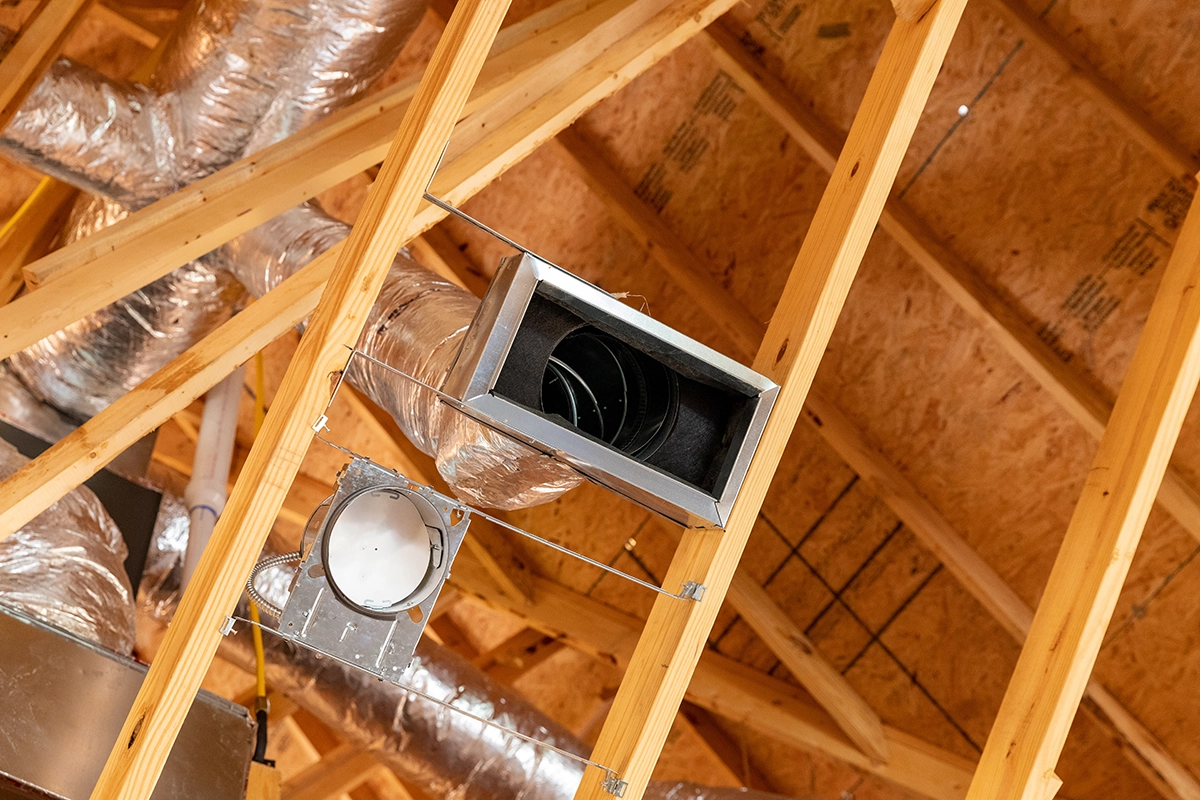
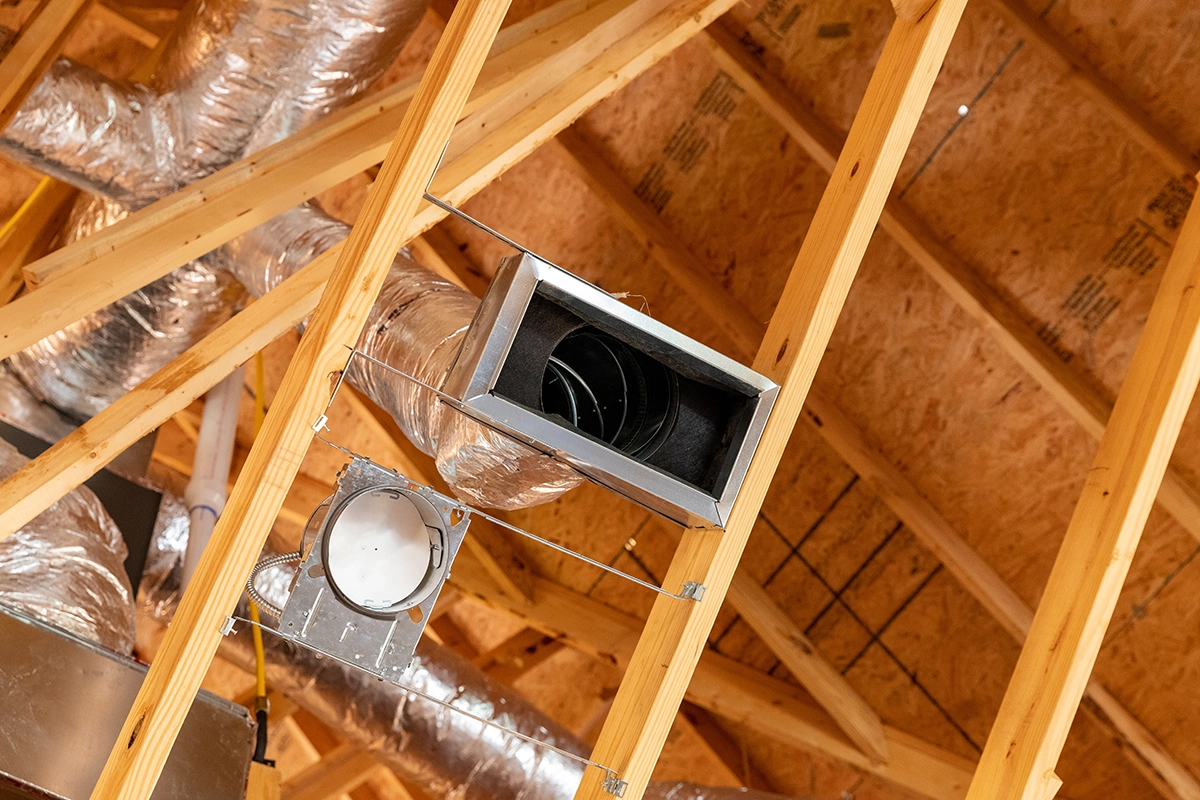
Let’s start with the basics. High velocity air conditioning uses small, flexible ducts that deliver air at higher speeds. These systems rely on compact air handlers and can be routed through walls, ceilings, or floors—making them ideal for retrofits. In contrast, traditional systems use larger ducts and move air more slowly.

Key Benefits of High Velocity Air Conditioning

While every home is different, we’ve seen some clear advantages to high velocity systems here in Huntsville.

  • Easier installation in older homes
    You don’t have to tear down walls to install ductwork.
  • More even cooling throughout your home
    High-speed airflow helps eliminate stubborn hot or cold spots.
  • Smaller, less visible vents
    Great for preserving historic home charm.

We’ve completed several high velocity installations in historic areas near downtown Huntsville and in tighter spaces around New Hope.

Traditional Systems Still Have Their Place

Now, traditional central air conditioning isn’t going anywhere. For larger, newer homes in subdivisions like Hampton Cove, it’s often more practical. These systems can cool big spaces efficiently, and parts are easier to find and service.

However, they do require more space for ductwork, which isn’t always ideal—especially in attic-limited homes.

High Velocity Air Conditioning Offers Space-Saving Advantages

Some homes just aren’t built to handle big ductwork. If your home is older, has limited attic space, or needs a less invasive solution, high velocity air conditioning can be the better fit. We’ve tackled projects like these across Hartselle and New Hope, making sure homeowners got the cooling power they needed—without major renovations.

Energy Efficiency and Noise Levels

Here’s something most people are surprised by: high velocity air conditioning can be quieter than traditional systems when installed correctly. The key is balancing airflow and using sound-dampening insulation.

In terms of efficiency, both systems can be energy efficient—but high velocity setups often cool rooms faster, which may lower energy use over time.

What About Cost?

We won’t sugarcoat it—high velocity air conditioning systems can cost more upfront. However, the installation is typically less invasive. And because the system runs efficiently and cools faster, many homeowners see long-term savings.

Most feel the performance justifies the price.

Still Not Sure? Rocket City Air Can Help

Ultimately, your best option depends on your home’s layout, your comfort goals, and your budget. At Rocket City Air, we’ve installed both high velocity and traditional systems across Huntsville and the surrounding areas, and we’ll help you figure out which one fits you best.

If you’re thinking about upgrading to high velocity air conditioning, let’s chat. We’ll give you clear options, upfront pricing, and honest advice.

Ready to explore your options? Give Rocket City Air a call today. We’re here to bring comfort to every corner of your home.

How a Return Air Vent Affects HVAC Performance

Rocket City Air - How a Return Air Vent Affects HVAC Performance

sWhen we show up to service homes around Huntsville, AL, Rocket City Air always takes a close look at the return air vent. Why? Because it plays a huge role in how efficiently your HVAC system runs. If it’s blocked, undersized, or placed incorrectly, your whole system has to work harder. And that means higher energy bills, uneven comfort, and more frequent breakdowns.

Let’s walk through what return air vents actually do, how they impact performance, and what you should watch for.

What Is a Return Air Vent?

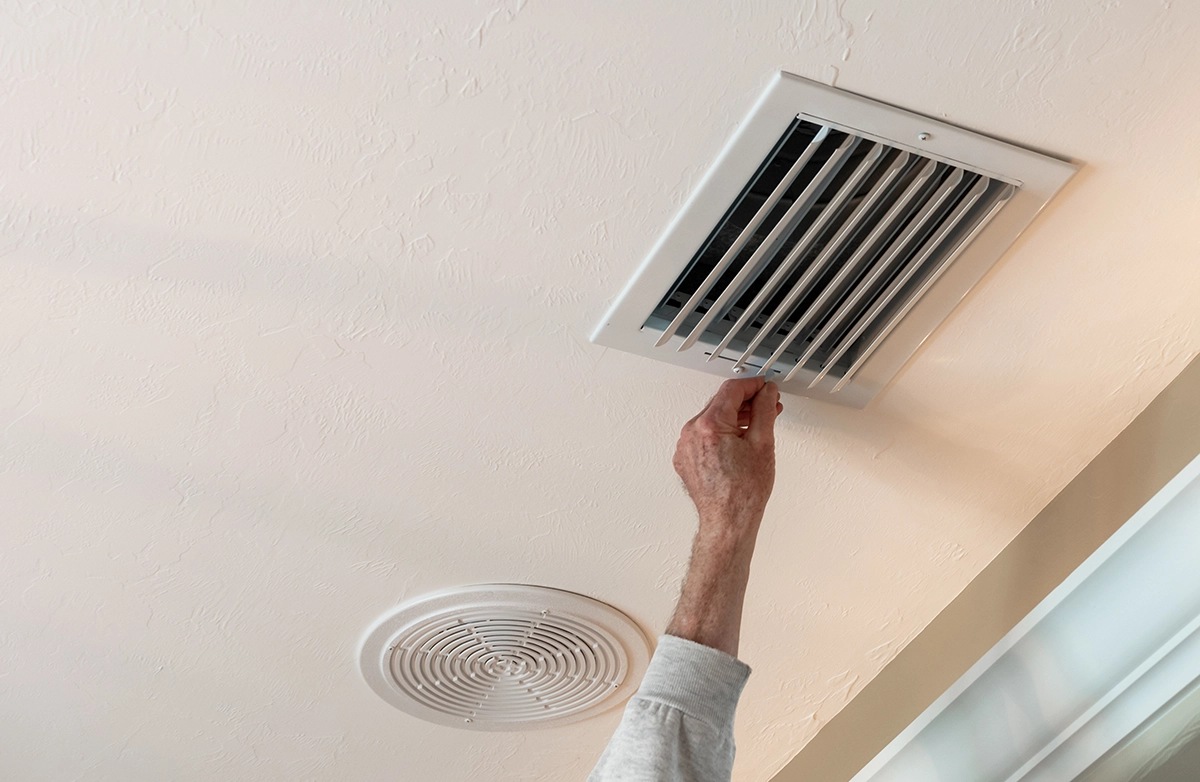
The return air vent pulls air from your home back into the HVAC system. While supply vents push out cooled or heated air, the return vents actively draw room air in for reconditioning. That circulation keeps your indoor climate consistent and comfortable.

We’ve seen many homeowners across Huntsville overlook their return vents completely—some even block them with furniture without realizing the consequences.

How a Return Air Vent Helps Your HVAC Breathe

Think of your HVAC like lungs. Supply vents breathe out, and the return air vent breathes in. If that air can’t flow freely, your system struggles. It may short-cycle, overheat, or cool unevenly from room to room.

That’s why Rocket City Air always checks airflow when we’re diagnosing HVAC issues. A single blocked return vent can throw off the whole balance.

Signs Your Return Air Vent Needs Attention

Here are a few common issues we run into during service calls in places like Madison or Owens Cross Roads:

  • You hear loud whistling or rattling noises

  • Some rooms feel stuffy while others are comfortable

  • Your energy bills keep creeping up

In many cases, these signs trace back to dirty, blocked, or poorly sized return air vents.

Proper Placement Makes a Big Difference

We’ve helped customers all over Huntsville adjust their vent setups for better airflow. If your air vent sits too close to a supply vent, the air can short-cycle and reduce efficiency. And when a home has too few return vents for its size, airflow suffers—making your HVAC system work harder than it should.

Keep Your Return Air Vent Clean and Clear

Just like filters need to be changed, your return air vents need regular cleaning. Dust and debris collect quickly—especially in homes with pets or recent construction work. We always recommend checking vents when you do seasonal maintenance or have a professional tune-up.

When to Call Rocket City Air

If you’re not sure whether your return air vents are doing their job, that’s what we’re here for. We’ve worked on systems all over the Rocket City—and we know what works best for homes in this climate.

We don’t just inspect vents—we look at the full picture. From ductwork layout to pressure balancing, our goal is to get your system working the way it should.

The Bottom Line on Return Air Vent Performance

So yes, something as simple as a return air vent can affect your entire HVAC system. From airflow to efficiency to long-term wear and tear, it plays a critical role in keeping your home comfortable. At Rocket City Air, we take vent performance seriously—because small changes can make a big impact.

Whether you’re noticing airflow issues or just want a second opinion, give us a call. We’re proud to serve Huntsville and the surrounding areas with honest advice and dependable service.

Flexible Ductwork: Pros, Cons, and Best Uses

Rocket City Air - Flexible Ductwork

If you’re trying to improve your home’s HVAC efficiency, you’ve probably come across flexible ductwork as an option. At Rocket City Air here in Huntsville, AL, we’ve installed it in homes of all shapes and sizes. But just like any HVAC component, flexible ducts come with their own set of advantages and limitations. So, how do you know if they’re the right fit for your system? Let’s break it down.

What Is Flexible Ductwork?

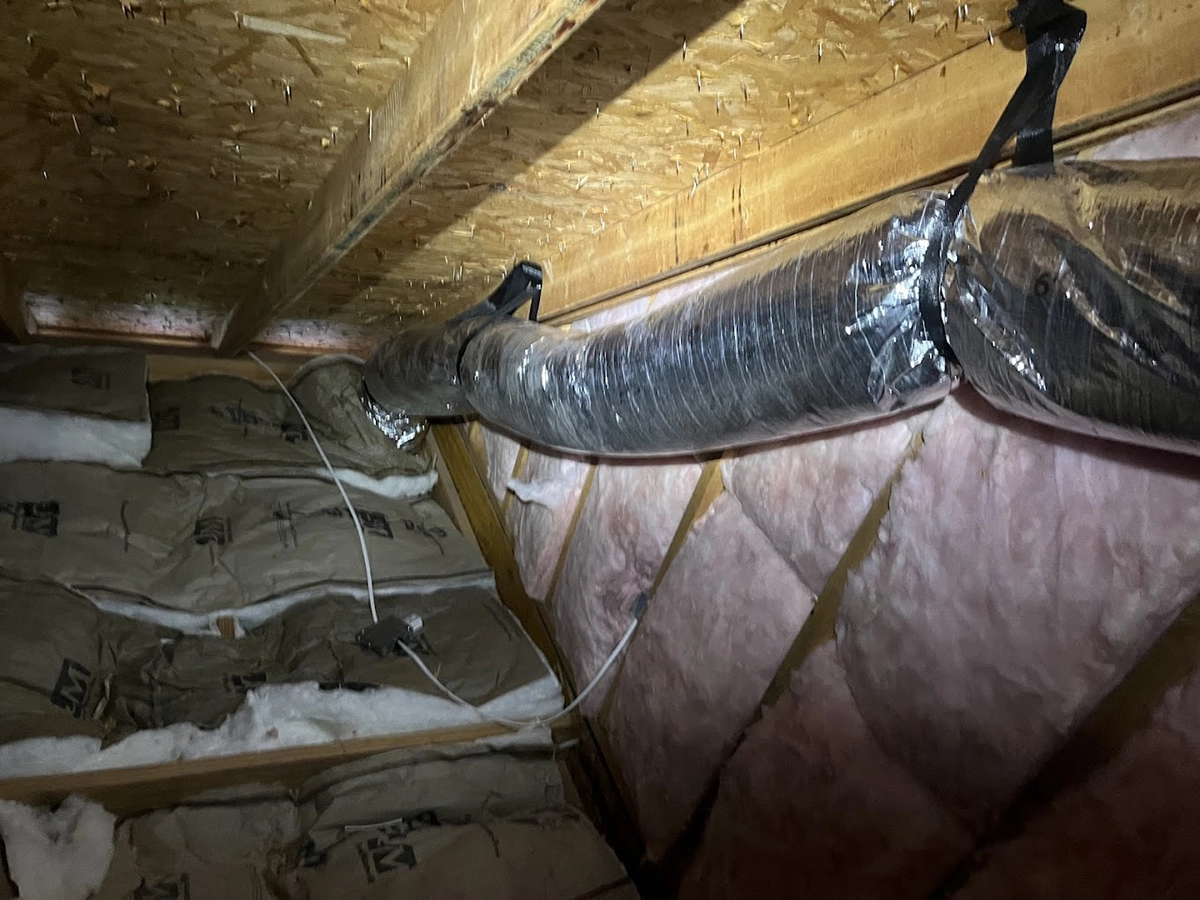
Simply put, flexible ductwork is a type of air duct used to deliver conditioned air throughout your home. Unlike traditional rigid ducts, these are made of a bendable plastic tube that’s reinforced with a wire coil and wrapped in insulation.

This flexibility makes them ideal for tight spaces and awkward corners—places where rigid ducts just don’t fit. But while they may be easy to work with, they still require proper installation and care to perform efficiently.

Where We Usually Recommend Flexible Ductwork

Because of its adaptability, we often suggest flexible ductwork in areas like:

  • Attics with limited clearance

  • Remodels or room additions

  • Homes with unusual layouts

  • Projects on a tight budget

That said, we don’t always go straight to flex ducts. We consider airflow needs, insulation values, and your home’s unique design before making recommendations.

Pros of Flexible Ductwork

Now let’s talk about the benefits. Over the years, we’ve seen many homeowners in Huntsville love their choice to use flexible ductwork, and here’s why.

1. Easy to Install

Installation is usually faster than rigid metal ducts. That can mean lower labor costs and less disruption to your home.

2. Highly Versatile

As mentioned earlier, flexible ductwork bends around obstacles. That’s a major advantage in homes with limited space.

3. Lightweight and Compact

Unlike bulky metal options, flexible ducts are lighter and easier to handle. This makes them great for retrofits or repairs.

4. Budget-Friendly

Compared to metal ductwork, flexible ducts are often less expensive to purchase and install—especially for shorter runs.

Cons of Flexible Ductwork

Even though flexible ducts are a solid choice in many cases, they’re not perfect. Here are some common downsides we always share with homeowners.

1. Prone to Kinks and Bends

While flexibility is the goal, too many twists or sharp bends can restrict airflow. That’s why proper support is crucial.

2. Durability Can Be an Issue

The plastic material can tear if not handled carefully. This is especially true in attics where pests may be present.

3. Easier to Install Incorrectly

We’ve seen DIY jobs where flexible ducts are too long or sag without support. That reduces efficiency and stresses your HVAC system.

4. May Not Last as Long as Rigid Ducts

With proper care, flexible ducts can last, but metal ducts generally hold up longer over time.

Best Practices for Installing Flexible Ductwork

We always follow best practices during installation to make sure your system runs smoothly. If you’re curious about what that involves, here’s a look behind the scenes.

  • Short and straight is best: The shorter the duct, the better the airflow.

  • Support every few feet: We use hangers to prevent sagging.

  • Avoid sharp turns: Smooth curves keep the air moving efficiently.

  • Seal all connections: We use mastic or tape to prevent air leaks.

By following these steps, we help make sure your flexible ductwork performs just as well as rigid alternatives.

Flexible vs. Rigid Ductwork: What’s the Difference?

Many homeowners ask us whether flexible ductwork is better than rigid. The answer really depends on your home.

Feature Flexible Ductwork Rigid Ductwork
Installation Time Quicker Slower
Cost Lower Higher
Airflow Efficiency Slightly Lower Higher
Lifespan Moderate Longer
Space Requirements Flexible in tight spaces Needs more room

We weigh these factors every time we design or retrofit a duct system in Huntsville homes.

How We Decide What to Use

At Rocket City Air, we don’t believe in one-size-fits-all solutions. Every home is different. For example:

  • In a new construction home with wide-open attic space, rigid ductwork might be ideal.

  • But in a historic home downtown with limited wall space, flexible ductwork often makes more sense.

  • For quick repairs or small additions, flex duct is usually the faster and more cost-effective route.

We evaluate your insulation levels, airflow needs, and long-term goals before making a recommendation.

Common Mistakes to Avoid with Flexible Ductwork

Unfortunately, we’ve been called to fix a lot of poorly installed systems over the years. If you’re thinking about flexible ducts, avoid these common issues:

  • Overstretching: This thins the insulation and reduces performance.

  • Not securing joints: Loose joints lead to leaks and inefficiency.

  • Skipping hangers: Unsupported ducts sag and kink.

  • Too many bends: This reduces airflow and forces your system to work harder.

That’s why it’s so important to work with experienced professionals who know what they’re doing.

How Flexible Ductwork Impacts Energy Efficiency

When installed correctly, flexible ductwork can contribute to energy savings. That’s because:

  • Less air escapes through sealed connections

  • Shorter runs reduce resistance

  • Proper insulation minimizes heat loss or gain

However, if ducts are poorly routed or left unsealed, they can end up wasting energy instead. That’s why we always test and inspect our work.

Maintenance Tips for Flexible Ductwork

Flexible ducts don’t need a lot of maintenance, but regular checkups help extend their lifespan. Here’s what we recommend:

  • Inspect for sagging or damaged insulation yearly

  • Keep rodents and pests out of attic or crawl spaces

  • Replace torn sections right away

  • Don’t store heavy objects near duct runs

With a little care, flexible ducts can perform well for many years.

Is Flexible Ductwork Right for Your Home?

If you’re in the Huntsville area and considering HVAC upgrades, flexible ductwork could be a smart solution. It’s affordable, adaptable, and—when installed properly—highly efficient.

But it’s not always the right choice for every job. That’s where our expertise comes in. At Rocket City Air, we look at the whole picture and recommend what makes the most sense for your specific needs.

Whether you’re building a new home, updating an older one, or just curious about improving airflow, we’re happy to help. Call us today, and let’s talk about how our ductwork options can benefit your HVAC system.