Static Pressure HVAC: What It Is and Why It Matters

Rocket City Air - Static Pressure HVAC: What It Is and Why It Matters

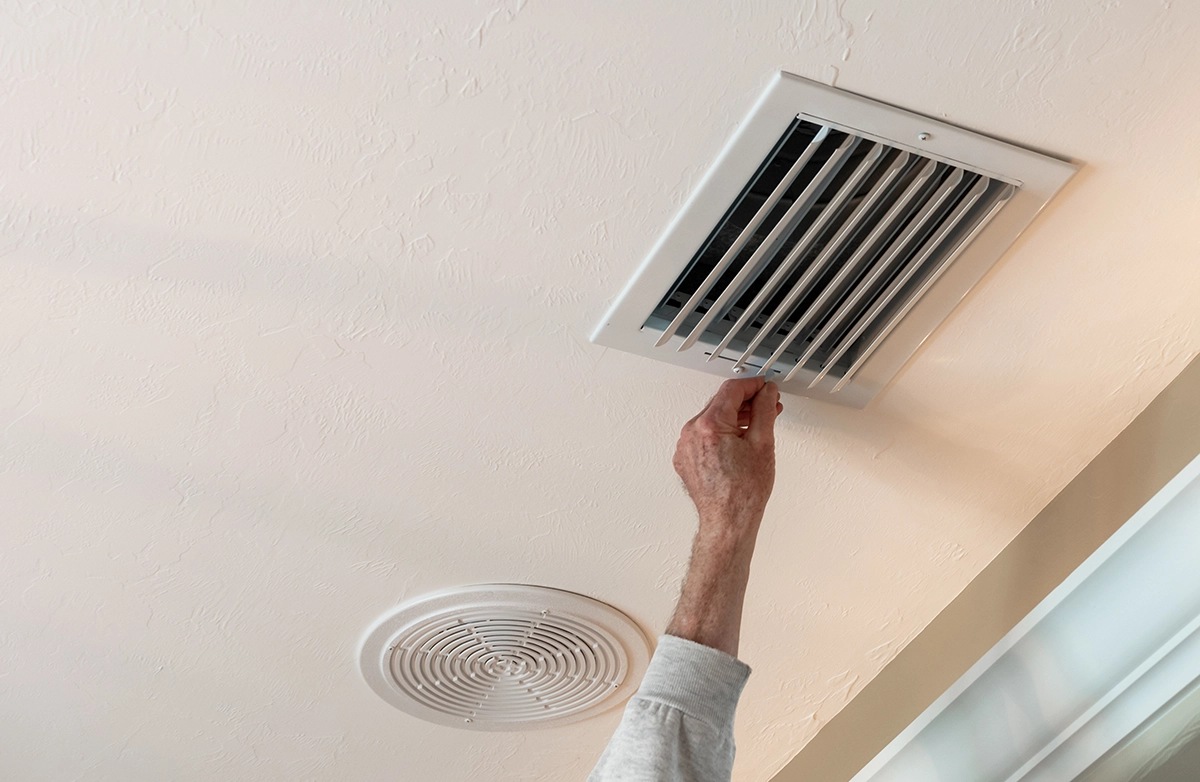
When it comes to maintaining a comfortable indoor environment, understanding static pressure HVAC is crucial. At Rocket City Air in Huntsville, AL, we often encounter HVAC systems that struggle due to issues related to static pressure. Whether you’re dealing with inconsistent airflow or unusually high energy bills, static pressure could be the culprit.

What Is Static Pressure in HVAC?

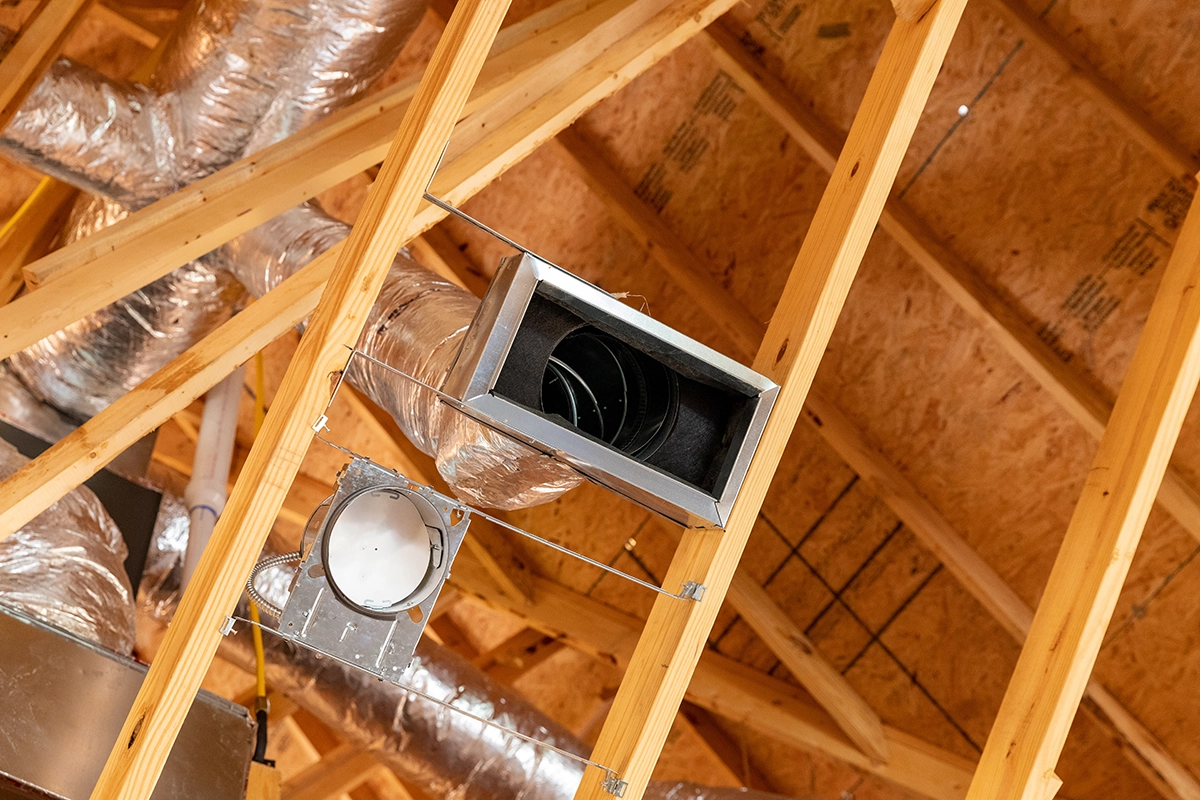
Static pressure refers to the resistance to airflow within your HVAC system. Essentially, it’s the force needed to push air through the ducts and into your living space. If your system has the right static pressure, air flows smoothly, keeping your home at the desired temperature. However, when static pressure HVAC issues arise, it can lead to discomfort and inefficiency.

Why Does Static Pressure Matter?

Maintaining the right static pressure is essential because it directly affects system performance and efficiency. High static pressure forces your HVAC to work harder, leading to increased wear and higher energy costs. Conversely, low static pressure may result in inadequate airflow, leaving your space uncomfortable.

Common Causes of Static Pressure HVAC Problems

Several factors can lead to static pressure HVAC issues:

  • Clogged Air Filters: Dirty filters block airflow, forcing the system to work harder.
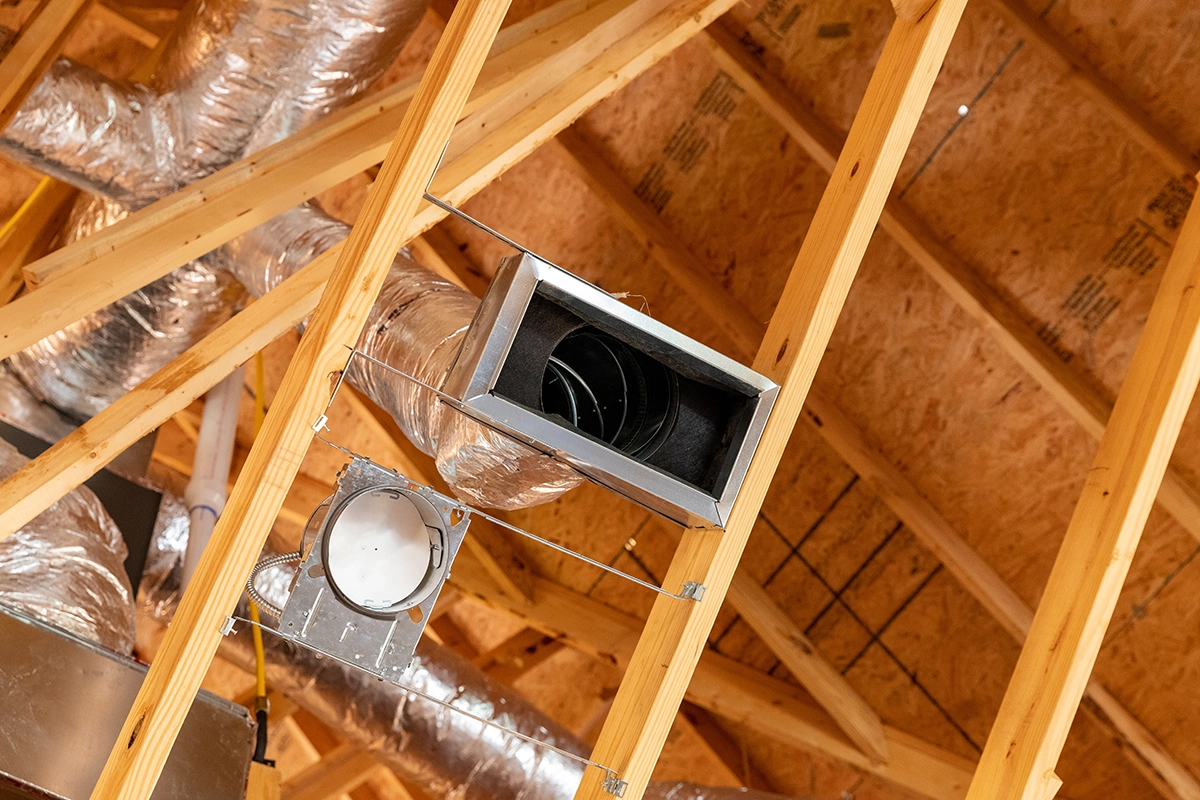
  • Blocked Ducts: Debris and dust can accumulate, restricting airflow and increasing pressure.
  • Improper Duct Sizing: Ducts that are too small for your system can cause excessive resistance.
  • Leaky Ducts: Gaps and loose connections result in air loss, lowering overall efficiency.

Signs of Pressure Issues

How do you know if your HVAC system is experiencing static pressure problems? Here are a few signs:

  • Weak Airflow: Your vents aren’t blowing as strongly as they should.
  • Noisy Operation: The system sounds strained or louder than usual.
  • High Energy Bills: Your HVAC works harder, consuming more power.
  • Hot and Cold Spots: Inconsistent temperatures in different rooms.

Troubleshooting Static Pressure Problems

If you suspect static pressure HVAC issues, there are a few steps you can take:

  • Inspect Air Filters: Make sure they are clean and free from dust buildup.
  • Check Ductwork for Obstructions: Debris, dust, or even small animals can block airflow.
  • Monitor Airflow at Vents: If the airflow feels weak, it’s worth checking for blockages.
  • Listen for Noises: Unusual sounds can indicate pressure imbalances.

While some minor adjustments can help, it’s essential to get a professional assessment. At Rocket City Air, we conduct thorough evaluations to identify underlying causes of static pressure problems.

How Rocket City Air Can Help

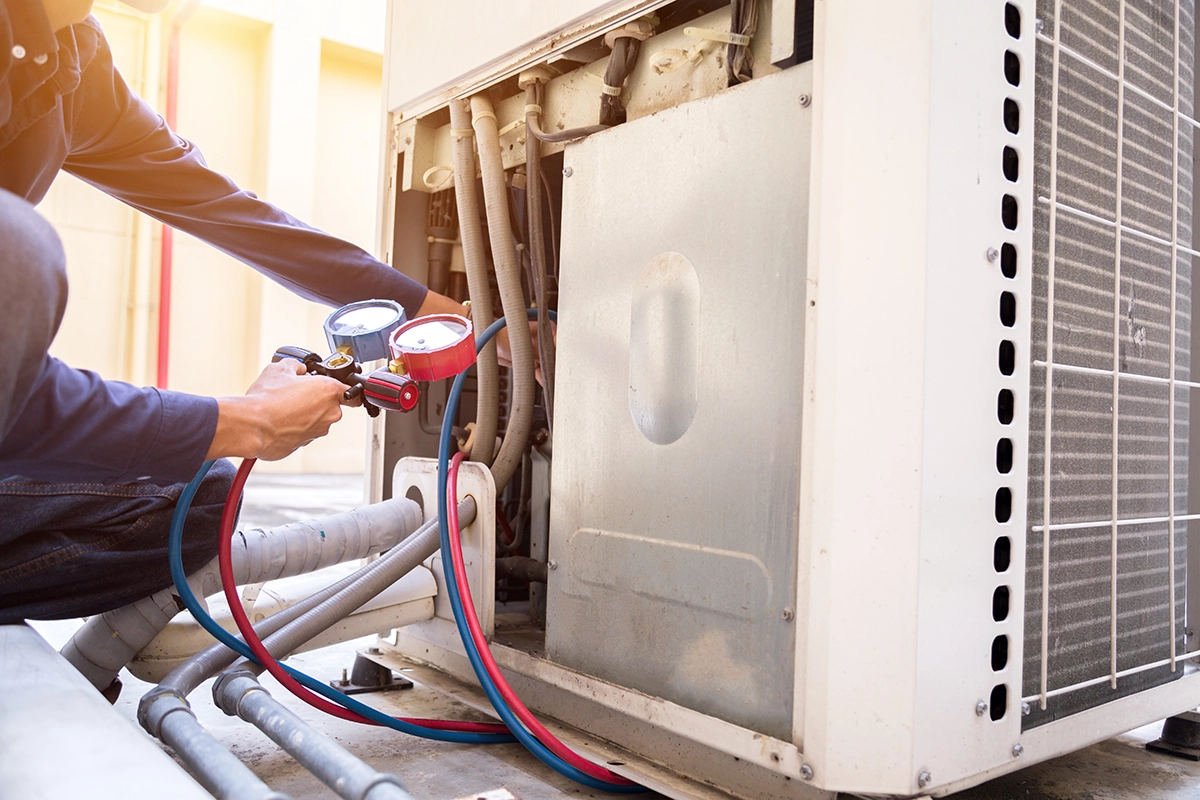
At Rocket City Air, we specialize in diagnosing and fixing static pressure issues. Our team uses advanced diagnostic tools to measure static pressure and pinpoint problem areas. Whether it’s adjusting ductwork, replacing filters, or sealing leaks, we make sure your system operates efficiently.

The Benefits of Correcting Static Pressure

Fixing static pressure HVAC problems offers several benefits:

  • Improved Comfort: Balanced airflow throughout your home.
  • Lower Energy Bills: More efficient operation means less energy use.
  • Extended System Life: Reduced strain on components helps them last longer.
  • Quieter Operation: Reduced noise due to balanced airflow.

Tips for Maintaining Proper Static Pressure

  • Replace Filters Regularly: Dirty filters restrict airflow, making your system work harder and increasing static pressure. By changing filters regularly, you help maintain consistent airflow and prevent strain on your HVAC components.
  • Schedule Routine Maintenance: Regular tune-ups ensure that your HVAC system is operating efficiently. At Rocket City Air, we check for issues that can cause static pressure imbalances, like clogged filters or blocked ducts, helping you avoid costly repairs.
  • Clean Air Vents: Dust and debris can accumulate on vents, reducing airflow and causing pressure imbalances. Keeping vents clean promotes better air distribution throughout your home.
  • Check Ductwork: Look for visible leaks or disconnected sections, as leaky ducts can drive up energy costs and make it harder to maintain a comfortable indoor temperature.

Trust Rocket City Air for Your HVAC Needs

When static pressure HVAC issues arise, Rocket City Air in Huntsville, AL is here to help. Our technicians are trained to handle complex HVAC challenges, ensuring your comfort and satisfaction. Don’t let airflow issues disrupt your home—contact us today!

Maintaining optimal static pressure is essential for comfort and efficiency. Whether you’re dealing with uneven temperatures or high energy bills, our team can help. Rocket City Air is your local expert for all things HVAC, right here in Huntsville!
TXV Valve: How It Improves HVAC Efficiency

Rocket City Air - TXV Valve

Understanding the TXV Valve

If you’ve ever wondered how your HVAC system stays efficient even during the Huntsville heat, the TXV valve plays a significant role. At Rocket City Air, we often get questions from homeowners about why their air conditioning performance fluctuates. One of the common culprits? The TXV valve. This small but crucial component helps maintain the perfect balance of refrigerant flow, optimizing your system’s cooling capacity.

What Is a TXV Valve?

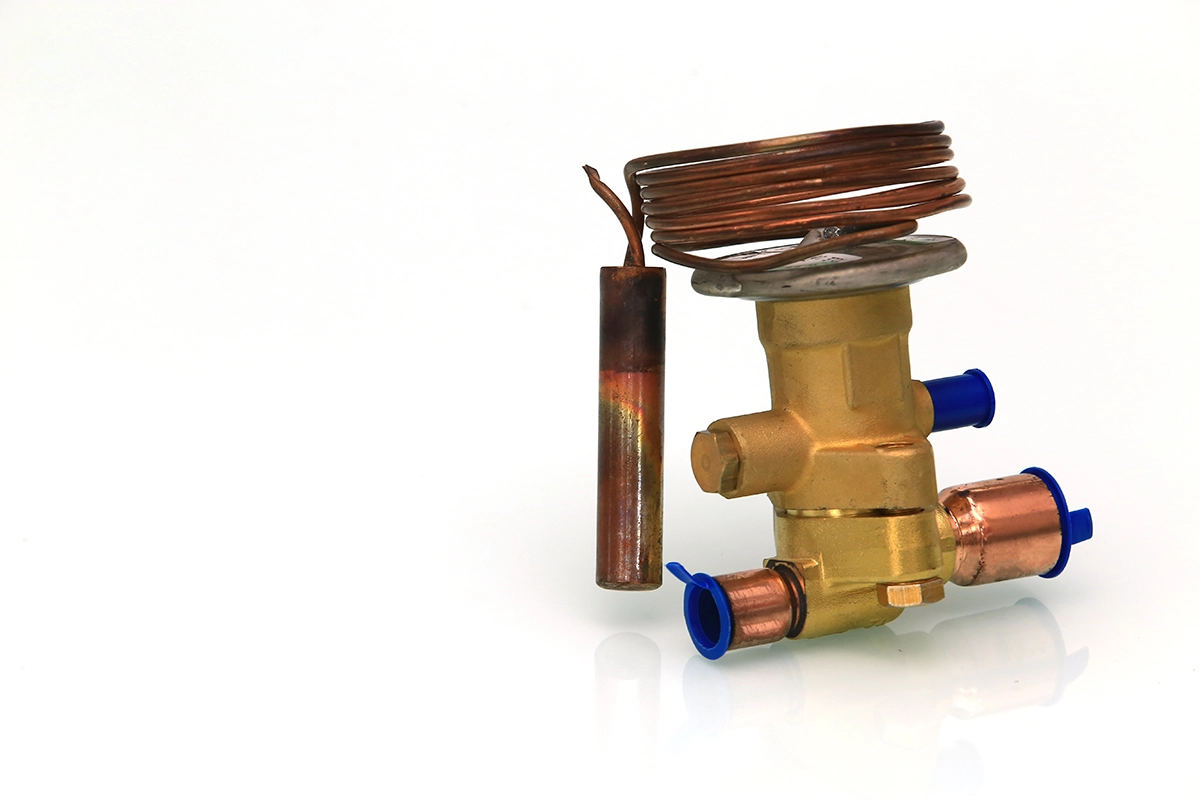
The TXV valve, or thermostatic expansion valve, regulates the flow of refrigerant into the evaporator coil. Unlike a fixed orifice, it adapts to the system’s cooling demand. This means your HVAC unit operates more efficiently, especially during hot Huntsville summers.

How Does the TXV Valve Work?

The TXV monitors the temperature and pressure of the refrigerant as it enters the evaporator. By adjusting the flow, it ensures your system uses just the right amount of refrigerant. As a result, your home stays consistently cool without unnecessary energy use.

Why Does Your HVAC Need a TXV Valve?

You might be thinking, “Do I really need this component?” At Rocket City Air, we believe in maximizing your system’s performance. Here’s why the TXV is so important:

  • Efficiency: It adapts to cooling needs, saving energy.
  • Longevity: Reduces strain on the compressor, extending the lifespan.
  • Comfort: Maintains even cooling, reducing hot and cold spots.

Common Issues

Even though the TXV is reliable, it can develop problems over time. Huntsville residents often report issues like:

  • Clogged Valve: Debris and contaminants can restrict refrigerant flow.
  • Stuck Valve: Often caused by moisture in the system, freezing the valve.
  • Improper Calibration: If not set correctly, the valve may cause inconsistent cooling.

Signs of a Faulty TXV Valve

  • Uneven cooling throughout your home
  • High energy bills
  • AC running constantly without reaching the desired temperature

Troubleshooting and Fixes

When your TXV starts acting up, it can disrupt your entire HVAC system. At Rocket City Air, we recommend regular maintenance to catch these issues early. If you notice cooling inconsistencies, call us to inspect the valve and other critical components.

Maintenance Tips

Maintaining your TXV can prevent many common problems. Here’s what we suggest:

  • Schedule Regular Inspections: Catch minor issues before they escalate.
  • Keep Your System Clean: Dirt and debris can clog the valve.
  • Replace Old Refrigerant: Contaminated refrigerant can freeze the valve.

Why Choose Rocket City Air?

At Rocket City Air, we understand how vital the TXV is for your HVAC system. Our team in Huntsville specializes in maintaining and replacing these valves to keep your AC running efficiently. We’re here to ensure your home stays cool, no matter how high the temperature rises.

Final Thoughts

The TXV may seem like a small component, but its role in HVAC efficiency is crucial. If you suspect issues or want to upgrade your system, give Rocket City Air a call. We’re proud to serve Huntsville, AL, and the surrounding areas, helping homeowners stay comfortable year-round.

Don’t let valve problems compromise your comfort. Contact Rocket City Air today for expert solutions.

HVAC Madison AL: Reliable AC and Heating Services

AC problems

At Rocket City Air, we understand how crucial it is to keep your home comfortable throughout the year. That’s why we offer reliable HVAC Madison AL services to ensure your heating and cooling systems are running efficiently. Whether you need a quick AC repair, a full installation, or routine maintenance, our team is here to help.

Why Choose Rocket City Air for HVAC Services in Madison AL?

When it comes to HVAC services in Madison, AL, homeowners and businesses alike count on us. Our technicians are highly trained, experienced, and dedicated to providing top-notch service. Plus, we’re local—so we understand the unique climate challenges Madison residents face. From hot, humid summers to chilly winters, we’ve got you covered.

Comprehensive HVAC Services in Madison AL

Our HVAC services in Madison AL include:

  • AC Repair and Maintenance: Keeping your air conditioning running efficiently is vital during the sweltering summers. We quickly diagnose issues and get your system back on track.
  • Heating Solutions: Whether you have a furnace or heat pump, we provide maintenance, repairs, and installations to keep your space cozy.
  • HVAC Installation: Looking to upgrade? We install modern, energy-efficient systems that help reduce utility bills.
  • Indoor Air Quality: From air purifiers to humidifiers, we help improve the air you breathe at home.
  • Ductwork Installation and Repair: Whether your ducts need an upgrade or a repair, we ensure efficient airflow and improved comfort.

When Should You Call for HVAC Madison AL Maintenance?

Regular maintenance is key to extending the life of your HVAC system. If you notice any of the following signs, give Rocket City Air a call:

  • Unusual noises or smells from the unit
  • Inconsistent heating or cooling
  • Higher-than-usual energy bills
  • Frequent cycling on and off

How Our HVAC Madison AL Team Stands Out

One thing our customers appreciate about Rocket City Air is our commitment to fast, friendly, and reliable service. When your system needs attention, we respond quickly to get your home comfortable again. Our technicians take the time to explain the problem and offer honest recommendations.

Local Expertise You Can Trust

Rocket City Air proudly serves Madison, AL, and the surrounding areas, including Hartselle, Madison County, New Hope, Huntsville, and Scottsboro. We understand the unique climate challenges faced in these communities, and our local knowledge helps us deliver reliable HVAC solutions tailored to your needs. Living in Madison, AL, means dealing with a range of weather conditions. That’s why it’s essential to have a dependable HVAC service provider. Our team lives and works in the community, so we know firsthand the importance of reliable heating and cooling.

Contact Rocket City Air Today!

When it comes to HVAC services in Madison, Rocket City Air is your go-to choice. We take pride in delivering exceptional results and customer satisfaction. If you’re experiencing issues or just need routine maintenance, contact us today.

Keeping your home comfortable year-round is our mission. Trust Rocket City Air for all your HVAC needs in Madison AL!

What Size Mini Split Do I Need? Tips for Choosing the Right One

Rocket City Air - What Size Mini Split Do I Need? Tips for Choosing the Right One

At Rocket City Air, we often get asked, “What size mini split do I need?” It’s a common question among homeowners in Huntsville, AL, looking to keep their homes comfortable year-round. Choosing the right size mini split is crucial for maintaining energy efficiency and consistent comfort. In this guide, we’ll break down how to figure out the best size for your space.

Why Is Sizing Important for Mini Splits?

When it comes to mini split systems, size matters more than you might think. An undersized unit won’t cool or heat efficiently, while an oversized system can short cycle, wasting energy and reducing comfort. So, what size mini split do you need to avoid these problems? Let’s explore together.

How to Calculate What Size Mini Split You Need

To figure out what size mini split you need, you’ll need to consider the square footage of your room. Typically, mini split sizes are measured in BTUs (British Thermal Units). As a general rule, you’ll need around 20-30 BTUs per square foot of space. For example, a 500-square-foot room would need about 10,000 to 15,000 BTUs. However, other factors come into play too.

Factors That Affect Sizing

  1. Room Insulation: If your room has good insulation, you might be able to go with a smaller unit. On the other hand, poor insulation means you’ll need more power.
  2. Ceiling Height: Higher ceilings can make it harder to maintain the right temperature, so you may need a larger unit to compensate.
  3. Climate: In Huntsville, where summers get hot and humid, you might benefit from choosing a slightly larger unit to stay comfortable.
  4. Number of Occupants: More people in a room means more heat. Therefore, if you often host guests, consider a more powerful unit.
  5. Sunlight Exposure: Rooms with large windows that get a lot of sunlight will need more cooling capacity to counteract the heat.

Additional Sizing Tips for Mini Splits

  • Consider Zoning: In larger homes, multi-zone systems offer better temperature control. This way, you can tailor the cooling and heating to each room.
  • Professional Assessment: A certified technician from Rocket City Air can measure your space accurately, taking all the key factors into account.
  • Energy Efficiency: Opt for units with high SEER ratings to save on energy bills. This will make a difference over the long term. Check out our SEER calculator here.

Common Sizing Mistakes to Avoid

  • Going Too Small: Your unit will end up running constantly, leading to higher energy use and limited comfort.
  • Going Too Large: The unit may turn on and off frequently, leading to uneven temperatures and possible system wear.
  • Ignoring Local Climate: In Huntsville, it’s essential to factor in the hot, sticky summers when sizing your system.

Sizing Guide: What Size Mini Split Do I Need for Different Room Types?

  • Small Rooms (Up to 300 sq ft): 6,000-9,000 BTUs
  • Medium Rooms (300-600 sq ft): 9,000-12,000 BTUs
  • Large Rooms (600-1,000 sq ft): 12,000-18,000 BTUs
  • Open Spaces or Multiple Rooms: Consider a multi-zone system to maximize comfort.

Signs You Chose the Wrong Size

If your mini split is too small, you’ll notice it running constantly without cooling adequately. Alternatively, if it’s too large, it might turn on and off frequently, causing uneven temperatures. At Rocket City Air, we help Huntsville homeowners make informed choices to get it right the first time.

Professional Sizing Makes a Difference

Wondering, “What size mini split do I need?” Our team at Rocket City Air can evaluate your space, considering factors like sun exposure, insulation, and layout. We serve Huntsville, New Hope, and the surrounding areas, ensuring our customers get the perfect fit for their homes.

Need Help with Your Mini Split?

In summary, choosing the right size mini split is crucial to keeping your home comfortable and energy-efficient. If you’re still unsure what size mini split you need for your space, reach out to Rocket City Air. We’re here to help homeowners in Huntsville, AL, make the best decision. Let us take the guesswork out of sizing, so you can enjoy a comfortable home year-round.

Signs of a Failing Expansion Valve in Your AC

Rocket City Air - Signs of a Failing Expansion Valve in Your AC

When your air conditioner stops cooling like it used to, one part we often check first is the expansion valve. At Rocket City Air here in Huntsville, we get plenty of calls from homeowners noticing weak airflow or rising indoor temps. And sometimes, it’s not the thermostat or the refrigerant—it’s that small but mighty valve that helps control how refrigerant flows through your system.

Let’s walk through some of the most common warning signs we see when an expansion valve starts to fail, and what you can do about it.

What Is the Expansion Valve and Why Does It Matter?

Before we get into the symptoms, it helps to understand what this component does. The expansion valve regulates the flow of refrigerant into your evaporator coil. It adjusts pressure and temperature levels so your AC can remove heat from your home efficiently. If this valve isn’t working right, your system will struggle to cool air properly—especially during hot Huntsville summers.

Expansion Valve Failure Can Cause Inconsistent Cooling

One of the first signs of trouble is uneven temperatures in your home. Maybe one room feels fine, but another is warm and stuffy. This could mean your expansion valve is stuck open or closed, preventing the right amount of refrigerant from reaching certain areas of the system.

Ice Buildup on the Coils May Signal Trouble

If you see frost or ice forming on your indoor coil or refrigerant lines, don’t ignore it. While this might seem harmless, it’s often a sign that the expansion valve isn’t metering refrigerant correctly. Too much or too little refrigerant flow causes temperatures to drop too low, and moisture in the air freezes.

What to Do If You See Ice

Turn the system off and call a professional. At Rocket City Air, we’ve helped dozens of homeowners across Madison County solve this issue quickly before it caused more damage.

Expansion Valve Problems Can Raise Energy Bills

If your power bill has jumped and your AC habits haven’t changed, your system could be working harder than it needs to. A malfunctioning expansion valve can throw the entire system off balance. Since it controls refrigerant pressure, your compressor may overwork to compensate for poor cooling.

Don’t Ignore Sudden Spikes

Energy waste doesn’t just cost you money. It shortens the life of your equipment. We’ve seen it time and time again across Huntsville neighborhoods—small issues like this can lead to big repairs when left unchecked.

Strange Noises Could Mean Problems

Another symptom to watch for is hissing, gurgling, or knocking sounds coming from your AC unit. While these can point to several issues, they often signal refrigerant flow problems. If the expansion valve is stuck or clogged, the sound of refrigerant struggling to move through the system becomes noticeable.

Weak Air Flow and Poor AC Performance

Finally, weak airflow from your vents can also suggest expansion valve trouble. If the valve is too restricted, your evaporator coil may not get cold enough. That leads to warm air coming out of your vents instead of the refreshing blast you expect.

When to Call Rocket City Air

If you’ve noticed any of these issues, it’s best to have a technician take a look. Diagnosing a faulty expansion valve isn’t something you can do on your own without the right tools and experience. At Rocket City Air, we handle AC repairs like this every day—from downtown Huntsville to every corner of Madison County. We’ll inspect the valve, run pressure checks, and get your AC back in shape fast.

Don’t Let an Expansion Valve Disrupt Your Comfort

While small, the expansion valve plays a huge role in your air conditioning system. If it’s not working right, your home won’t stay cool, your system will work harder, and you might end up with major repair costs. If you’re in Huntsville or the surrounding areas, give Rocket City Air a call. We’ll check everything out and give you honest answers about what’s going on.

What Does HVAC Stand For? Everything You Need to Know

Rocket City Air - What Does HVAC Stand For?

If you’re like many homeowners in Huntsville, you’ve probably wondered at some point: what does HVAC stand for? We get this question all the time at Rocket City Air. It’s one of those terms you hear a lot—especially when your heating or cooling system isn’t working right—but few people actually know what it stands for. So let’s break it down in simple terms and explain why it matters for your home.

What Does HVAC Stand For in Simple Terms?

HVAC stands for Heating, Ventilation, and Air Conditioning. That’s it! But even though it sounds straightforward, these systems play a big role in your home comfort. Every time you adjust the thermostat, turn on a ceiling fan, or enjoy cool air during a Huntsville summer, you’re using part of your HVAC system.

Why Understanding What HVAC Stands For Is Helpful

Knowing what HVAC stands for helps you make smarter choices as a homeowner. Whether you’re scheduling maintenance or replacing a unit, understanding the basics means you’re less likely to feel overwhelmed. You’ll also be able to ask better questions and feel more confident when talking to professionals—like our team here at Rocket City Air.

What Does HVAC Stand For in System Design?

Heating

This includes furnaces, heat pumps, and boilers. In Huntsville, many homeowners rely on heat pumps because they work well with our mild winters and offer energy efficiency.

Ventilation

Ventilation brings in fresh air and removes stale, humid, or polluted indoor air. It also includes filters, ducts, and fans that help your air stay clean and healthy—especially during allergy season in Alabama.

Air Conditioning

Air conditioning systems cool your home and remove excess humidity. This is especially important during Huntsville’s hot, sticky summers. Without a well-functioning AC unit, your indoor comfort can disappear fast.

Do All Homes in Huntsville Have HVAC Systems?

Not always. Some older homes around Five Points or Blossomwood may rely on window units or baseboard heat. But most modern homes in Madison County are equipped with full HVAC systems that cover heating, cooling, and ventilation all in one.

Why HVAC Maintenance Matters

Now that you know what HVAC stands for, it’s easy to see how important it is to keep everything running smoothly. Regular maintenance keeps your system efficient, extends its lifespan, and reduces the chance of costly breakdowns. At Rocket City Air, we offer seasonal tune-ups to help Huntsville homeowners stay ahead of issues before they become big problems.

A Quick Tip From Our Techs

Change your filters every 1–3 months. It’s one of the simplest ways to protect your HVAC system and improve your air quality.

Should You Repair or Replace Your HVAC?

If your system is over 10 years old, constantly breaking down, or running up your energy bills, it may be time to consider a replacement. We help homeowners throughout Huntsville, Madison, and surrounding areas compare options and choose what works best for their home and budget.

Final Thoughts: What Does HVAC Stand For in Everyday Life?

So, what does HVAC stand for in your everyday life? In short—it means comfort, cleaner air, and reliable home performance. It’s the warmth you feel on a cold January morning and the cool relief that gets you through those steamy July afternoons here in Huntsville. It’s also the peace of mind that comes with knowing your system is running efficiently and safely.

When your HVAC system works the way it should, everything at home just feels better. But when something goes wrong, it can quickly become uncomfortable—or even stressful. That’s where we come in. At Rocket City Air, we’re committed to helping our neighbors in Huntsville and the surrounding areas stay comfortable all year long, no matter what the weather brings.

If you have questions about your system, need a quick fix, or want a professional opinion on an upgrade, give us a call today. We’re your local comfort experts—and we’re always ready to help you breathe easier at home.

What Is Freon Used For? Everything You Should Know

Rocket City Air - What Is Freon Used For

When we get questions at Rocket City Air here in Huntsville, AL, one of the most common is, “what is freon?” It’s a great question, especially since Freon plays such a huge role in how your AC keeps your home cool and comfortable. From Blossomwood to homes across Madison County, understanding Freon can help you take better care of your system.

What Is Freon and Why Does It Matter?

To put it simply, Freon is a type of refrigerant. It flows through your air conditioner’s coils and absorbs heat from inside your home. Then, it releases that heat outdoors, leaving the air inside much cooler. Without it, your AC would just blow warm air around. That’s why, when a system runs low on refrigerant, you’ll notice a major drop in cooling power.

How Freon Works in Your AC System

When you’re thinking about refrigerant, it helps to know how it moves inside your air conditioner. First, the compressor pushes Freon through the system. As it flows, it changes between a gas and a liquid. This change is what allows your AC to pull heat out of the air and send cool air back into your home.

Different Types of Freon

Over the years, there have been several types of Freon used in homes around the country. The most common older type was R-22, but it’s being phased out because of environmental concerns. Today, most newer systems use R-410A, which is safer for the ozone layer and more efficient.

Signs You Might Have a Freon Problem

Since we’re talking about what it is, it’s also important to know the signs of a Freon issue. Here are a few:

  • Your AC blows warm air.

  • Ice builds up on the refrigerant lines.

  • You hear a hissing or bubbling noise.

  • Your energy bills suddenly spike.

If you notice any of these, it’s smart to call Rocket City Air. Our team has fixed countless refrigerant leaks across Huntsville, from Hampton Cove to Five Points.

Is it Dangerous?

Freon is usually safe when it’s sealed inside the system. However, if there’s a leak, it can pose a risk. It’s always best to have a professional check it out. We’re trained to handle refrigerant safely and can make sure your system is running like it should.

What To Do If Your System Needs More Freon

If your AC isn’t cooling well and you think it’s low on refrigerant, don’t just top it off. Low refrigerant usually means there’s a leak. Adding more without fixing the leak will just lead to more problems. At Rocket City Air, we find and fix leaks before recharging the system, making sure you stay comfortable without wasting money.

Trust Rocket City Air for Your Cooling Needs

Now that you know a little more about what freon is, you can see just how important it is to your air conditioner. If you’re in Huntsville, Madison, or New Hope and you think your system has a refrigerant issue, don’t wait. Contact Rocket City Air today—we’re always happy to help keep your home cool and comfortable!

High Velocity Air Conditioning vs Traditional Systems

Rocket City Air - High Velocity Air Conditioning vs Traditional Systems

When homeowners around Huntsville, AL ask us about upgrading their HVAC, one option we often recommend is high velocity air conditioning. It’s a powerful solution—especially for older homes or places where traditional ductwork is a challenge. At Rocket City Air, we’ve installed both types of systems across Huntsville, Madison, Hartselle, and beyond. We know the pros and cons of each. If you’re comparing options, here’s what to keep in mind.

What Is High Velocity Air Conditioning?

Let’s start with the basics. High velocity air conditioning uses small, flexible ducts that deliver air at higher speeds. These systems rely on compact air handlers and can be routed through walls, ceilings, or floors—making them ideal for retrofits. In contrast, traditional systems use larger ducts and move air more slowly.

Key Benefits of High Velocity Air Conditioning

While every home is different, we’ve seen some clear advantages to high velocity systems here in Huntsville.

  • Easier installation in older homes
    You don’t have to tear down walls to install ductwork.
  • More even cooling throughout your home
    High-speed airflow helps eliminate stubborn hot or cold spots.
  • Smaller, less visible vents
    Great for preserving historic home charm.

We’ve completed several high velocity installations in historic areas near downtown Huntsville and in tighter spaces around New Hope.

Traditional Systems Still Have Their Place

Now, traditional central air conditioning isn’t going anywhere. For larger, newer homes in subdivisions like Hampton Cove, it’s often more practical. These systems can cool big spaces efficiently, and parts are easier to find and service.

However, they do require more space for ductwork, which isn’t always ideal—especially in attic-limited homes.

High Velocity Air Conditioning Offers Space-Saving Advantages

Some homes just aren’t built to handle big ductwork. If your home is older, has limited attic space, or needs a less invasive solution, high velocity air conditioning can be the better fit. We’ve tackled projects like these across Hartselle and New Hope, making sure homeowners got the cooling power they needed—without major renovations.

Energy Efficiency and Noise Levels

Here’s something most people are surprised by: high velocity air conditioning can be quieter than traditional systems when installed correctly. The key is balancing airflow and using sound-dampening insulation.

In terms of efficiency, both systems can be energy efficient—but high velocity setups often cool rooms faster, which may lower energy use over time.

What About Cost?

We won’t sugarcoat it—high velocity air conditioning systems can cost more upfront. However, the installation is typically less invasive. And because the system runs efficiently and cools faster, many homeowners see long-term savings.

Most feel the performance justifies the price.

Still Not Sure? Rocket City Air Can Help

Ultimately, your best option depends on your home’s layout, your comfort goals, and your budget. At Rocket City Air, we’ve installed both high velocity and traditional systems across Huntsville and the surrounding areas, and we’ll help you figure out which one fits you best.

If you’re thinking about upgrading to high velocity air conditioning, let’s chat. We’ll give you clear options, upfront pricing, and honest advice.

Ready to explore your options? Give Rocket City Air a call today. We’re here to bring comfort to every corner of your home.

How a Return Air Vent Affects HVAC Performance

Rocket City Air - How a Return Air Vent Affects HVAC Performance

sWhen we show up to service homes around Huntsville, AL, Rocket City Air always takes a close look at the return air vent. Why? Because it plays a huge role in how efficiently your HVAC system runs. If it’s blocked, undersized, or placed incorrectly, your whole system has to work harder. And that means higher energy bills, uneven comfort, and more frequent breakdowns.

Let’s walk through what return air vents actually do, how they impact performance, and what you should watch for.

What Is a Return Air Vent?

The return air vent pulls air from your home back into the HVAC system. While supply vents push out cooled or heated air, the return vents actively draw room air in for reconditioning. That circulation keeps your indoor climate consistent and comfortable.

We’ve seen many homeowners across Huntsville overlook their return vents completely—some even block them with furniture without realizing the consequences.

How a Return Air Vent Helps Your HVAC Breathe

Think of your HVAC like lungs. Supply vents breathe out, and the return air vent breathes in. If that air can’t flow freely, your system struggles. It may short-cycle, overheat, or cool unevenly from room to room.

That’s why Rocket City Air always checks airflow when we’re diagnosing HVAC issues. A single blocked return vent can throw off the whole balance.

Signs Your Return Air Vent Needs Attention

Here are a few common issues we run into during service calls in places like Madison or Owens Cross Roads:

  • You hear loud whistling or rattling noises

  • Some rooms feel stuffy while others are comfortable

  • Your energy bills keep creeping up

In many cases, these signs trace back to dirty, blocked, or poorly sized return air vents.

Proper Placement Makes a Big Difference

We’ve helped customers all over Huntsville adjust their vent setups for better airflow. If your air vent sits too close to a supply vent, the air can short-cycle and reduce efficiency. And when a home has too few return vents for its size, airflow suffers—making your HVAC system work harder than it should.

Keep Your Return Air Vent Clean and Clear

Just like filters need to be changed, your return air vents need regular cleaning. Dust and debris collect quickly—especially in homes with pets or recent construction work. We always recommend checking vents when you do seasonal maintenance or have a professional tune-up.

When to Call Rocket City Air

If you’re not sure whether your return air vents are doing their job, that’s what we’re here for. We’ve worked on systems all over the Rocket City—and we know what works best for homes in this climate.

We don’t just inspect vents—we look at the full picture. From ductwork layout to pressure balancing, our goal is to get your system working the way it should.

The Bottom Line on Return Air Vent Performance

So yes, something as simple as a return air vent can affect your entire HVAC system. From airflow to efficiency to long-term wear and tear, it plays a critical role in keeping your home comfortable. At Rocket City Air, we take vent performance seriously—because small changes can make a big impact.

Whether you’re noticing airflow issues or just want a second opinion, give us a call. We’re proud to serve Huntsville and the surrounding areas with honest advice and dependable service.

What Does Hold Mean on a Thermostat? Quick Guide

Rocket City Air - What Does Hold Mean On a Thermostat? Quick Guide

If you’re wondering, what does hold mean on a thermostat, you’re not alone. We get this question a lot from homeowners here in Huntsville. It might seem like a small button, but it can play a big role in your home’s comfort—and your energy bill. At Rocket City Air, we’ve helped tons of folks across Madison County and the greater Huntsville area understand how to get the most out of their thermostat. So let’s break it down in simple terms.

What Does Hold Mean on a Thermostat?

When you press the Hold button on your thermostat, it essentially “locks in” the current temperature setting. This means your system will maintain that exact temperature until you change it again or turn off the hold.

If your thermostat is on a schedule, it normally adjusts the temperature throughout the day. But once Hold is activated, it overrides that schedule.

Why Would You Use the Hold Setting?

Sometimes, life doesn’t follow a schedule. If you’re home unexpectedly during the day or hosting guests, you might want the house a little warmer or cooler than usual.

That’s where the Hold feature comes in handy. You won’t have to keep adjusting the thermostat every hour—it just stays put.

Temporary vs. Permanent Hold

There are typically two kinds of hold settings:

  • Temporary Hold: Keeps your new setting until the next scheduled change.

  • Permanent Hold: Maintains the set temperature until you manually cancel it.

Understanding the difference helps you avoid unwanted surprises, like waking up to a freezing house.

What Does Hold Mean on a Thermostat for Energy Use?

We often explain to our customers that Hold can affect energy efficiency. For example, if you leave it on all day while you’re at work, your HVAC system might work harder than needed.

However, if you use Hold wisely, it can actually help reduce wear on your system. Especially here in Huntsville, where summer heat can push systems to their limits, every bit of smart usage counts.

Is It Bad to Always Use the Hold Setting?

Not necessarily—but it depends on your lifestyle. If your routine changes often, Hold might make sense. But for folks with regular schedules, letting your thermostat follow its programmed plan usually saves more energy.

That’s why we often recommend programmable or smart thermostats to our customers in the Huntsville area. They offer flexibility while still keeping efficiency in mind.

When Should You Cancel Hold?

You’ll want to cancel Hold if your plans change again, or if you’re headed out for the day. Most thermostats have a “Run” or “Resume” button that will put things back on schedule.

Just one tap, and you’re back in business.

What Does Hold Mean on a Thermostat When It’s Smart?

If you’ve got a smart thermostat, like Nest or Ecobee, Hold works a little differently. These systems often include eco settings, geofencing, and more.

Still, the core idea stays the same: what does hold mean on a thermostat? It means “pause the schedule and stick to this temp for now.”

Local Tip from Rocket City Air

In Huntsville, the weather can swing pretty fast—especially in spring and fall. A chilly morning can turn into a hot afternoon in just a few hours.

Using the Hold setting during these weird in-between seasons can help keep your comfort levels steady without fussing with the thermostat all day long.

Need Help with Your Thermostat in Huntsville?

If your thermostat’s got you scratching your head, give us a shout at Rocket City Air. Whether you need a smart thermostat upgrade or help understanding features like Hold, we’re here for you.

We serve Huntsville, AL, and the surrounding areas.

Final Thoughts: What Does Hold Mean on a Thermostat?

So, what does hold mean on a thermostat? Simply put, it lets you freeze your current temperature setting in place. It’s a useful tool—especially when used intentionally. At Rocket City Air, we’ve seen how a simple setting can make a big difference for homeowners across Huntsville.

If you still have questions or want to explore smarter HVAC options, contact us. We’re always glad to help!